Jujube, dried mushrooms, goji and herbs in small bowls on a wooden surface

Kitchen Notes

What’s in the cup.

Traditional Chinese cooking has long paired ingredients with season, rhythm, and the table. These are the notes behind every ingredient we use: what it is, where it comes from, and how kitchens have cooked with it. We write about flavor and tradition here, not effects. What a cup does for your day is yours to find out.

The base every cup shares

Umami built from food, not flavoring.

Every Bāng Máng broth starts from the same foundation: real bone broth, collagen, and a savory depth built from two mushrooms, sea kelp, and fermented miso, doing the work a stockpot does over hours.

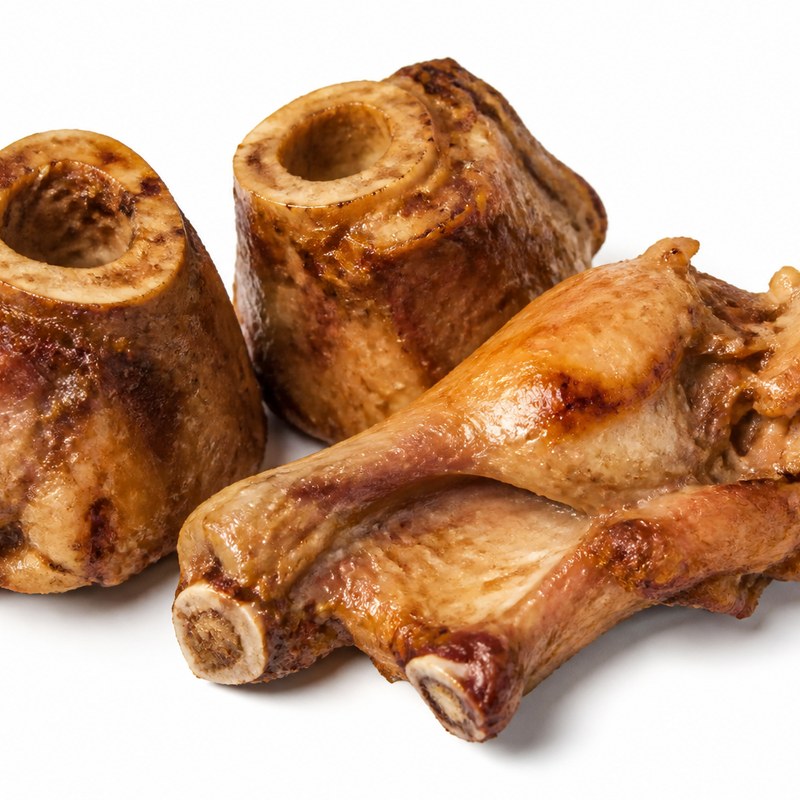
Beef & chicken bone brothThe body of every cup.
More

The oldest kitchen shortcut there is: bones, water, and time. In Chinese kitchens a long stock is dinner and looking-after in the same pot. Ours is simmered, then dried, so the stockpot work is already done.

Every cup
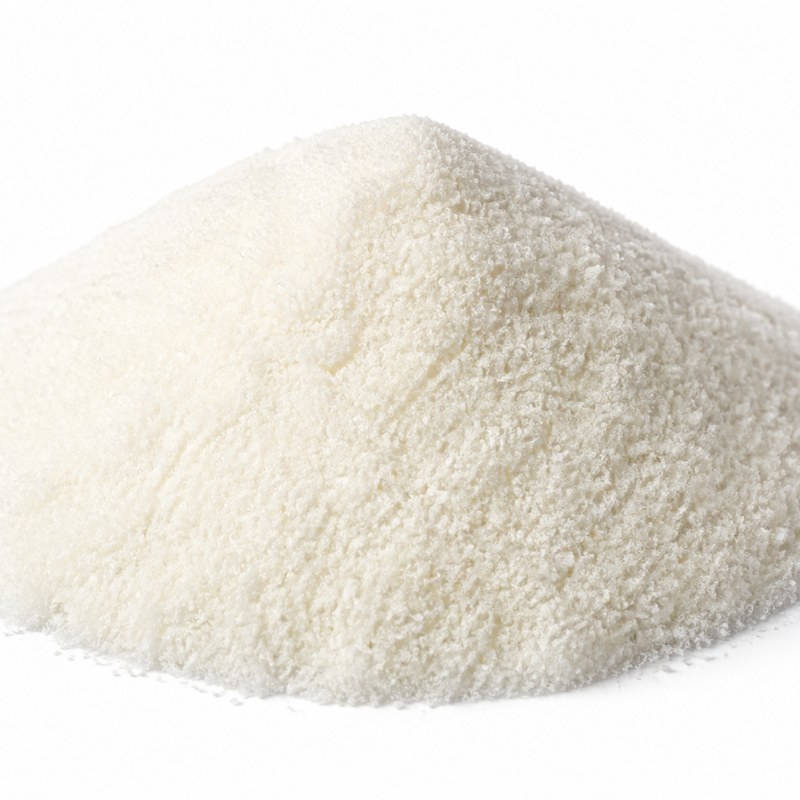
Collagen peptidesSilky mouthfeel, clean finish.
More

Type I & III, grass-fed. The proteins a long stock pulls from bone, the part that makes a broth feel silky instead of watery.

Every cup
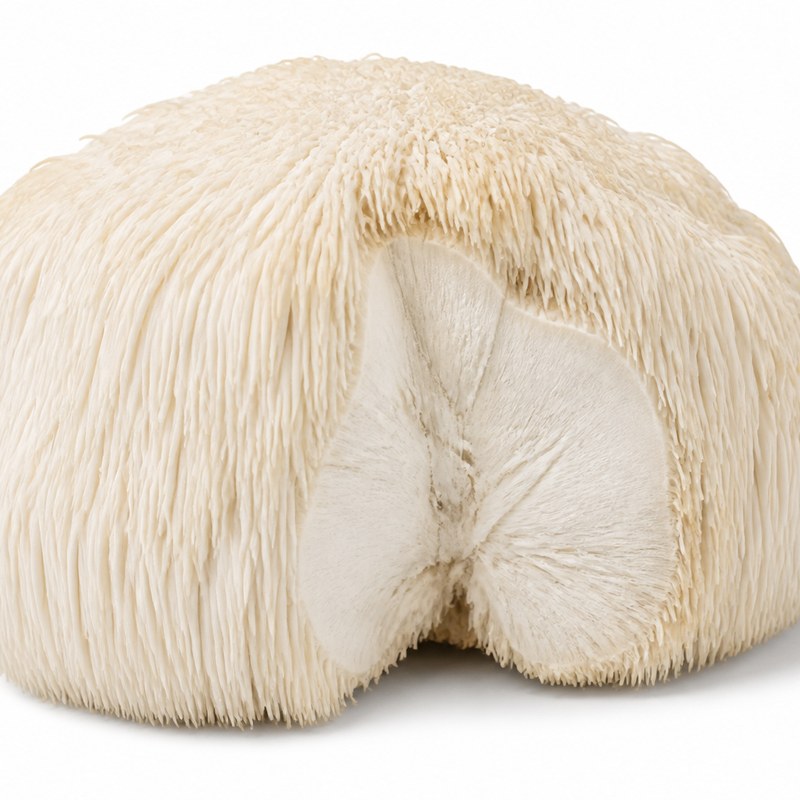
Lion’s mane猴头菇 · hóu tóu gūMild savoriness that rounds the broth.
More

“Monkey-head mushroom.” A banquet delicacy in Chinese cooking, rare enough that finding one was an occasion, and simmered in banquet soups and decoctions alike. Cooked, it is tender and faintly sweet.

Every cup
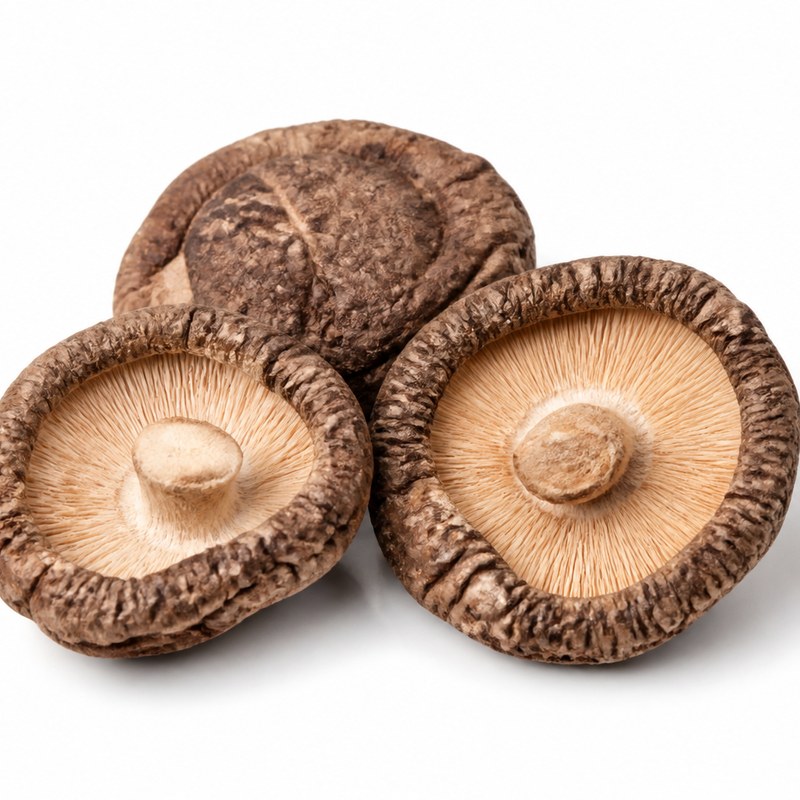
Shiitake香菇 · xiāng gūThe woodsy backbone note.
More

The “fragrant mushroom,” cultivated on oak logs in China and Japan for close to a thousand years. Dried, it is the deepest umami in the East Asian pantry, and a staple of the long soup pot.

Every cup
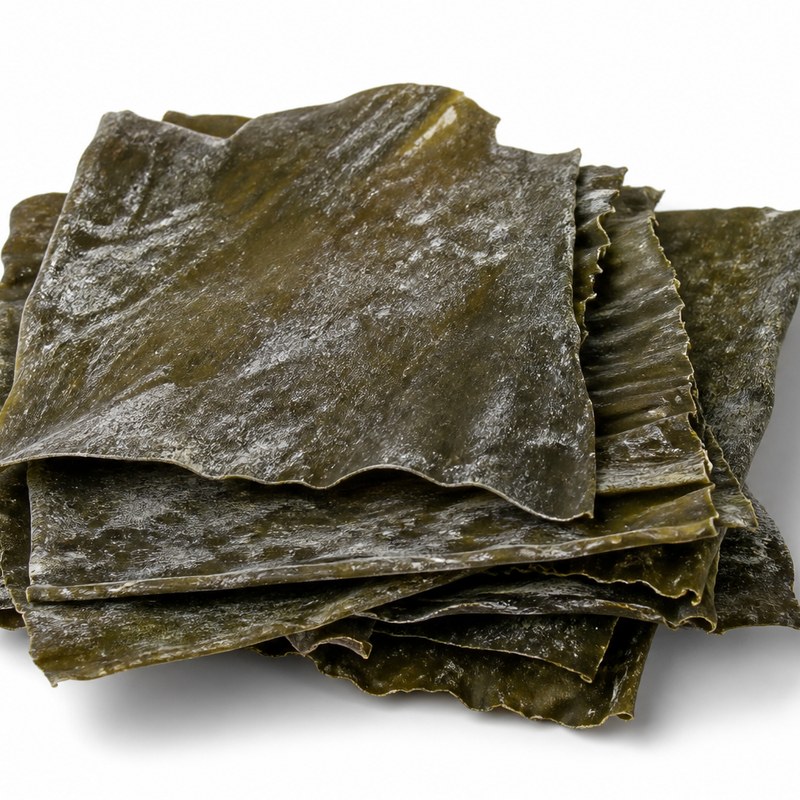
Kombu昆布Natural glutamates, oceanic depth.
More

Sea kelp, dried in sheets on northern beaches. One half of dashi, the mother stock of Japanese cooking, and the ingredient that led to umami being named at all. The minerals of seawater come with it.

Every cup
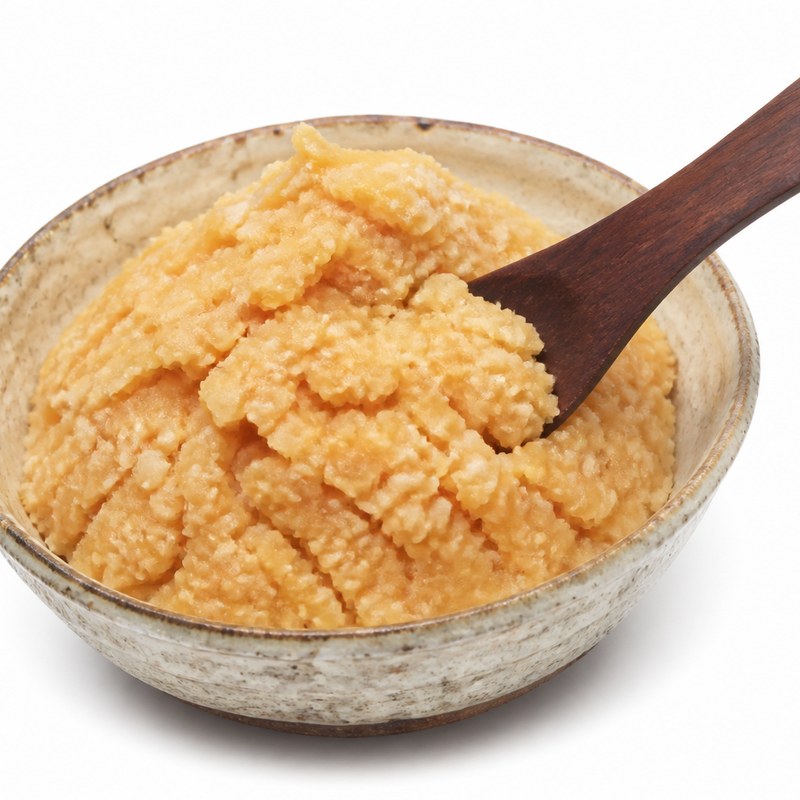
Miso味噌Fermented depth, a little salt-sweetness.
More

Soybeans fermented with koji, aged in cedar vats. A daily-soup staple across Japan for centuries, the bowl that closes the day. White miso is the youngest and sweetest of the family.

Every cup
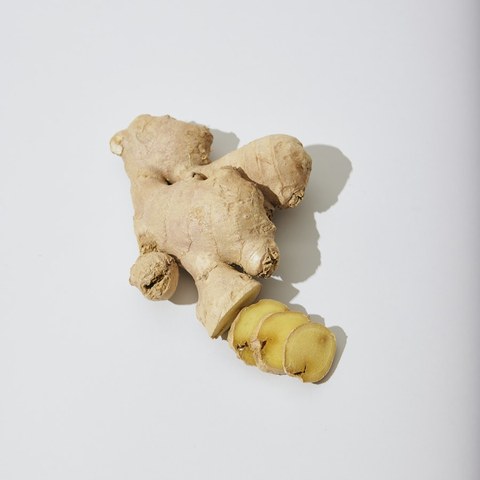
Ginger生姜 · shēng jiāngA baseline warmth under everything.
More

The universal aromatic of Chinese cooking, in the pot at the start of nearly everything. Sliced into congee at dawn and into braises at night. Warming from the first sip, which is why it sits under every cup.

Every cup
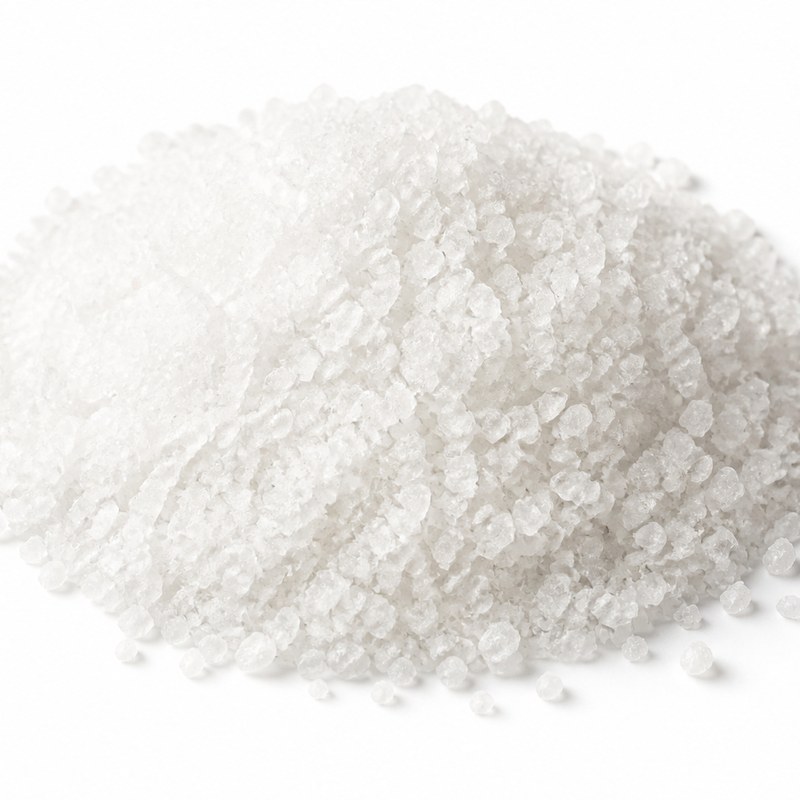
Fine sea saltEnough to make the rest sing.
More

Non-iodized, dissolved evenly. Salt is the oldest seasoning and still the only essential one. The sodium it brings is the electrolyte in the cup, the kind you want when you live an active life.

Every cup

The botanicals · one entry each

Aromatics for Spark and Flow.

What changes between the cups is the aromatics. Chinese kitchens have always matched ingredients to the hour: morning roots into the long-simmered breakfast pot, cooling aromatics at midday. We built Spark and Flow along that same clock, working with traditional Chinese medicine practitioners and the best of modern theory.
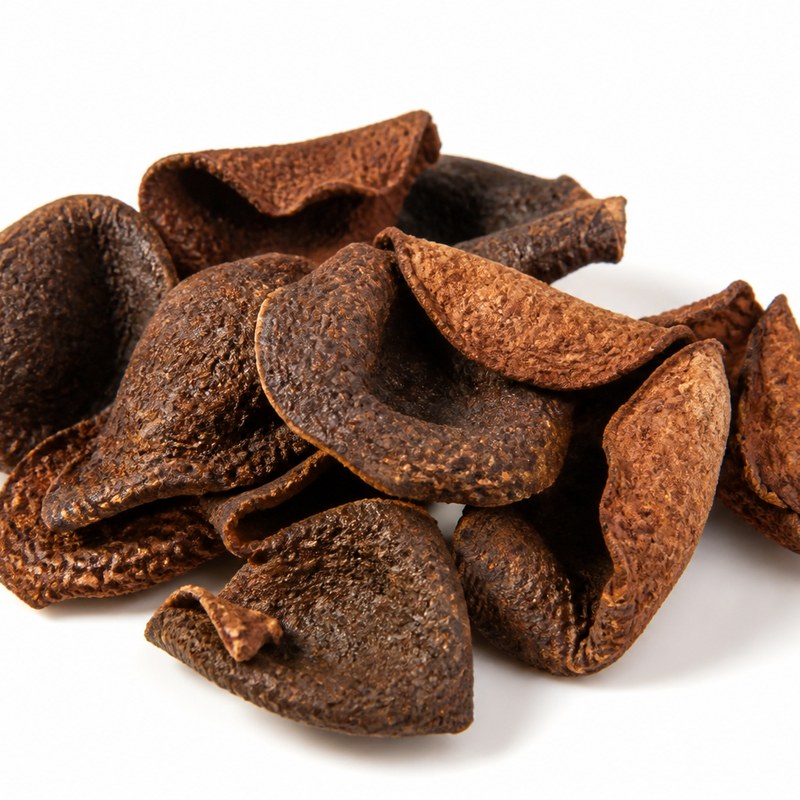
Tangerine peel陈皮 · chén píBittersweet, deeply aromatic.
More

Mandarin peel aged until dark and leathery. In Cantonese kitchens old chén pí is a pantry treasure, graded and traded by vintage like wine, and a regular in long soups and the morning pot. Opens Spark like zest rubbed between your fingers.

Spark
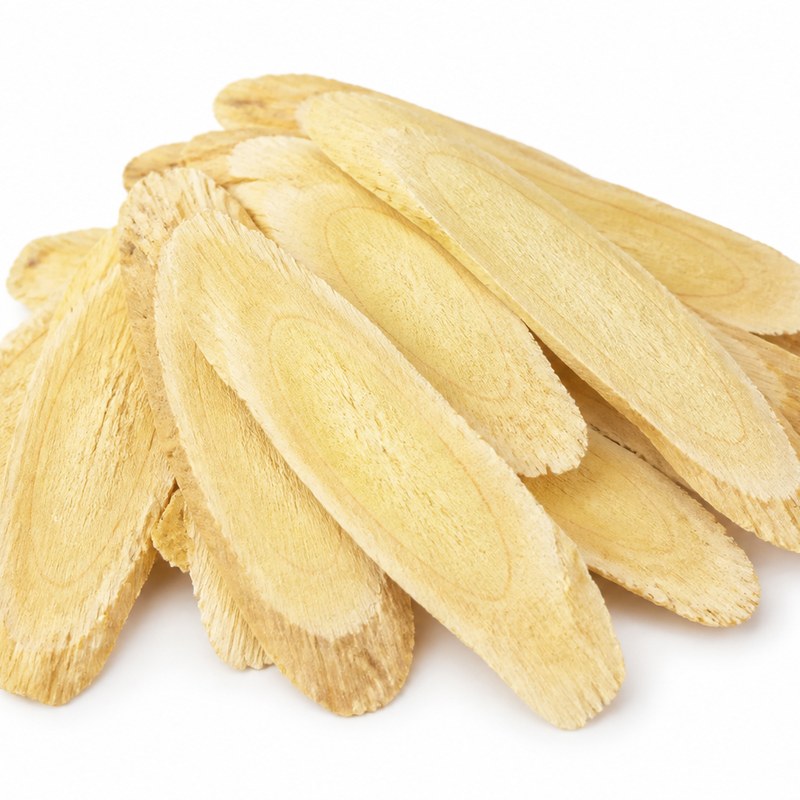
Astragalus黄芪 · huáng qíSubtly sweet, mineral.
More

A root of northern Chinese home cooking, sliced thin like tongue depressors and dropped into soups that simmer all morning. The old kitchens put it in decoctions meant for starting the day. We keep it in Spark the same way.

Spark
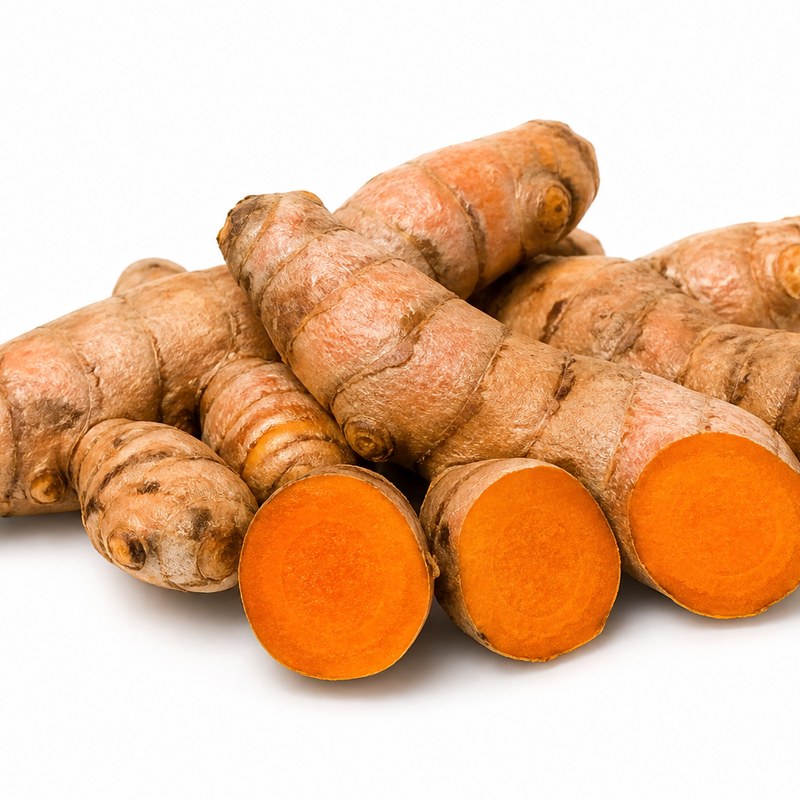
Turmeric姜黄 · jiāng huángEarthy warmth, golden color.
More

The golden rhizome, ground into soups, curries and braises across southern Asia for centuries. A warming kitchen spice. Warm mid-palate in Spark; a whisper of color in Flow.

SparkFlow
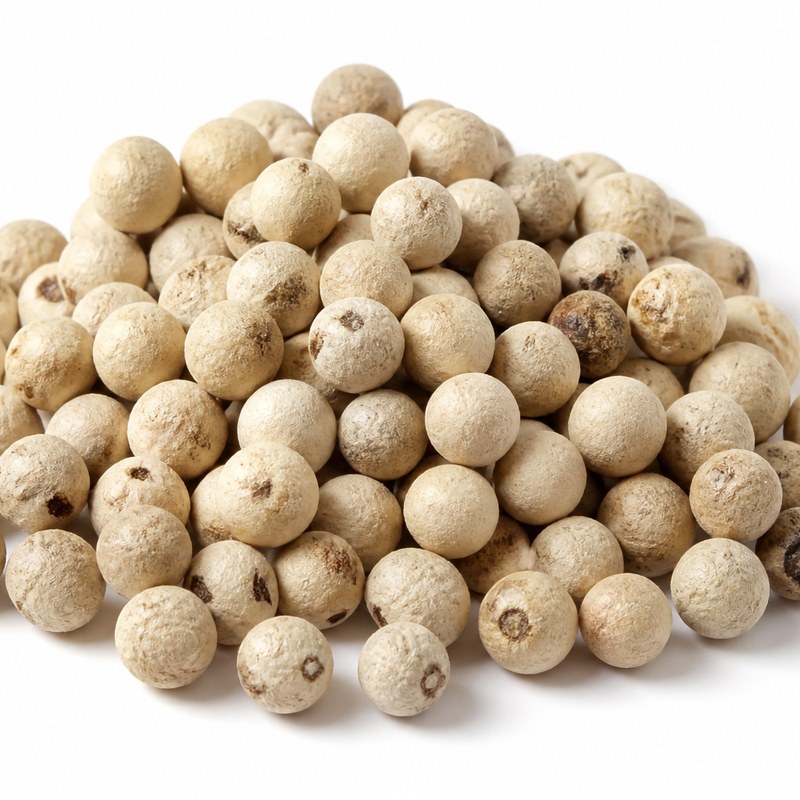
White pepper白胡椒 · bái hú jiāoA dry, gentle heat that arrives late.
More

The pepper of the Chinese soup pot. Hot and sour soup owes it everything. A warming finish rather than a blast of heat. Carries the finish in Spark; the faintest tingle in Flow.

SparkFlow
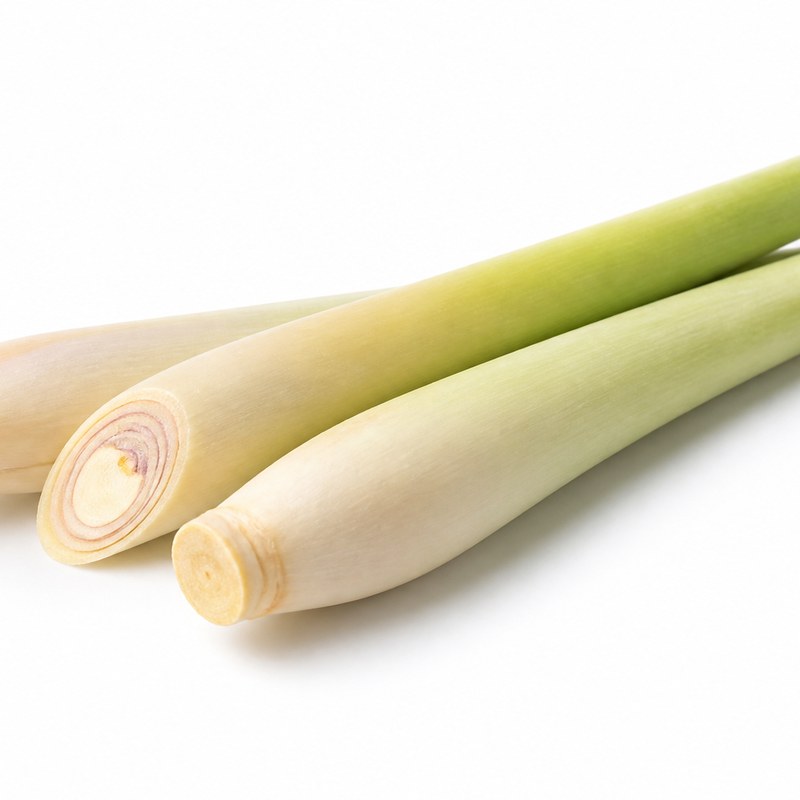
Lemongrass香茅 · xiāng máoGreen, citrusy, almost floral.
More

Bruised stalks are the opening move of broths across Thailand and Vietnam, cooking brightness into the pot rather than on top of it. The cooling lead of Flow.

Flow
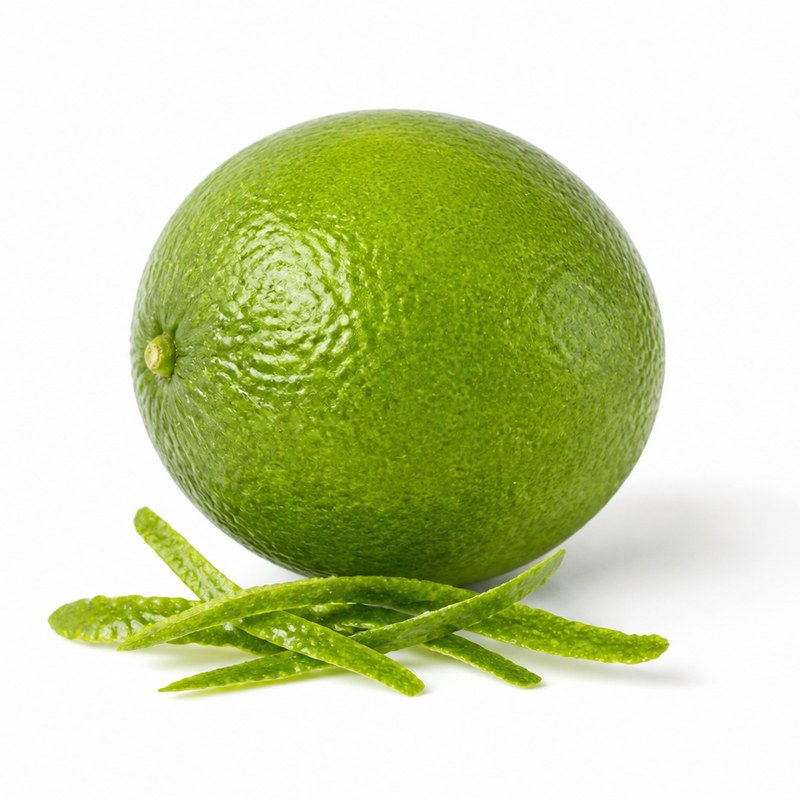
Lime peelTart brightness that keeps it light.
More

The peel carries the aromatic oils the juice never gets. A Southeast Asian trick for keeping a rich broth light on its feet in the heat. Cuts the richness of Flow’s chicken base.

Flow
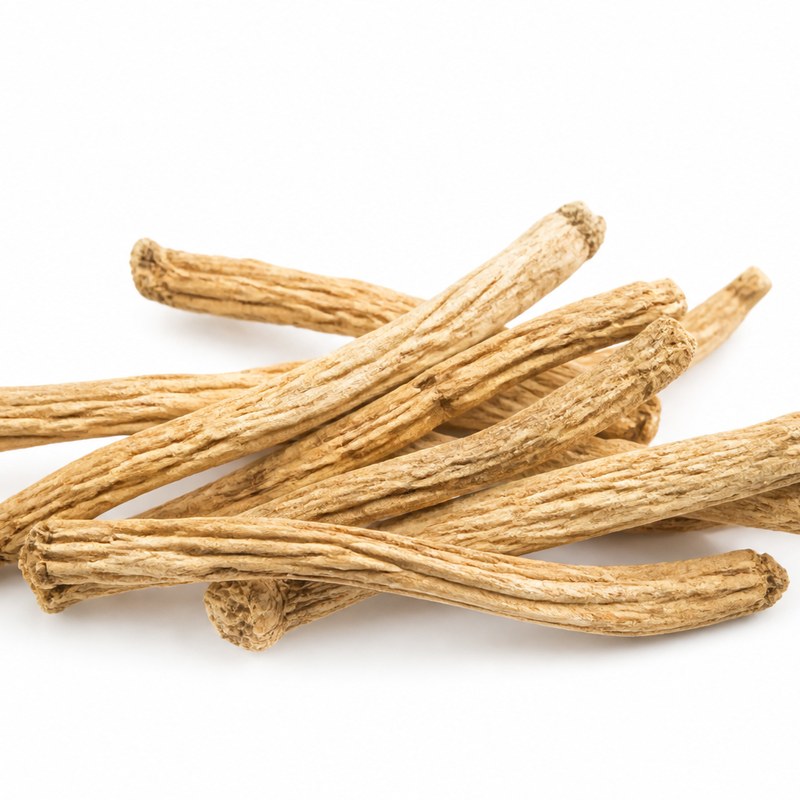
Codonopsis党参 · dǎng shēnMildly sweet, rooty.
More

The gentle soup root of Chinese home cooking, often standing in for ginseng in the family pot. The old kitchens put it in the same long morning decoctions as astragalus. Part of Spark’s morning simmer.

Spark
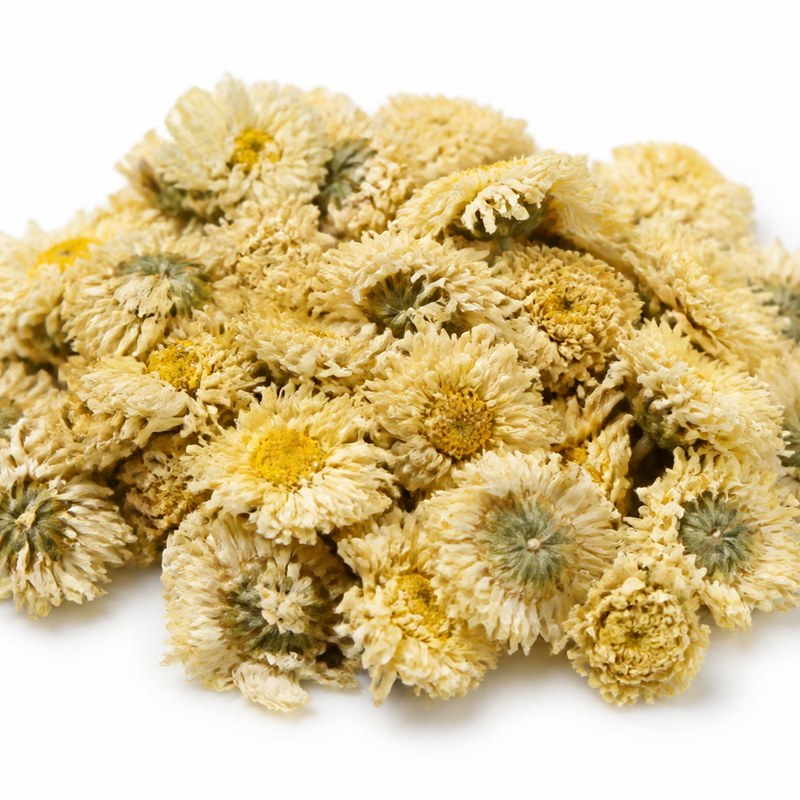
Chrysanthemum菊花 · jú huāFloral, cooling, unmistakable.
More

The flower in a billion teapots. Chrysanthemum tea is what gets poured on hot afternoons across China, the cooling cup when the day is high. Lifts Flow’s citrus with a light floral note.

Flow

Ingredient photography is studio stills of the actual ingredients, cropped to match the library.